
The Leader in Wilderness Medicine
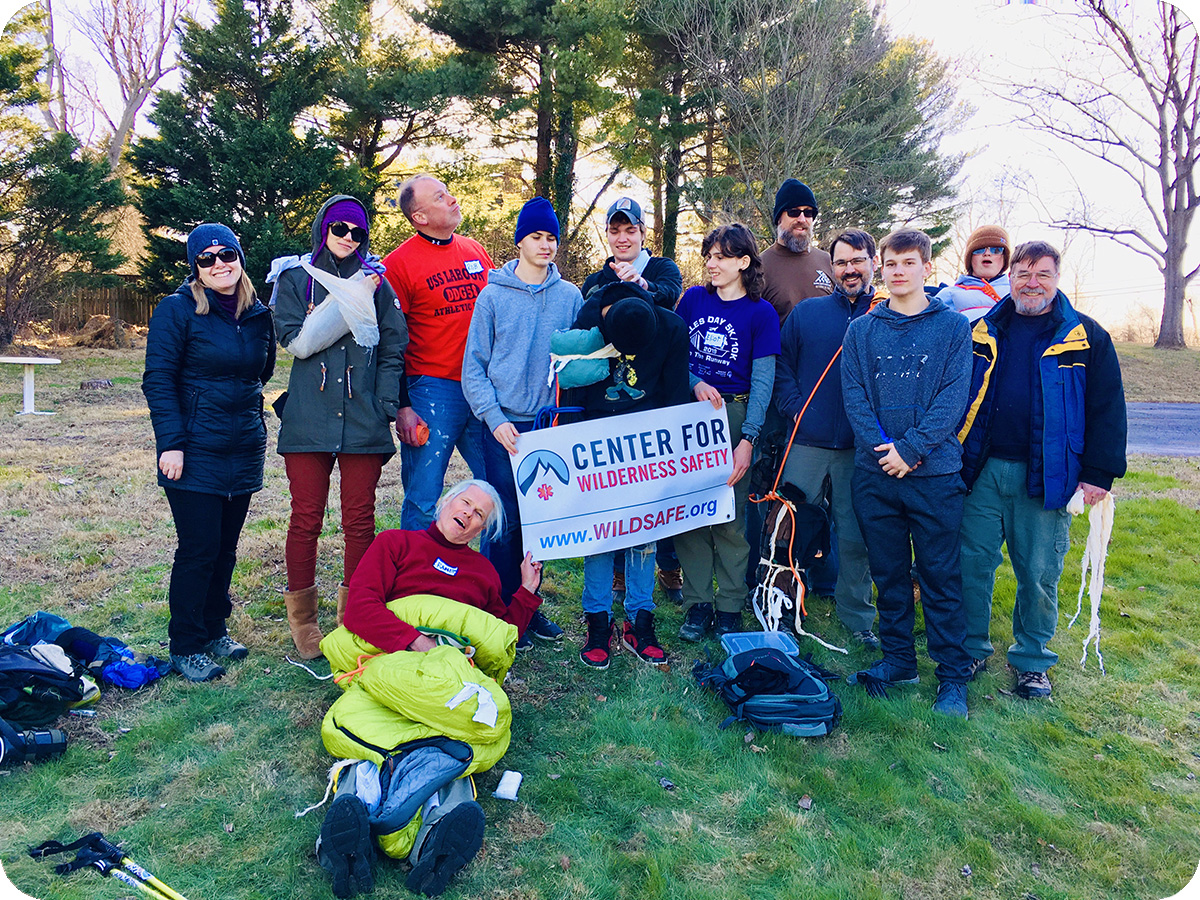
Welcome to Center for Wilderness Safety, a nationally-recognized 501(c)(3) nonprofit organization celebrating nearly two decades of wilderness medicine education & training. Since the beginning, CWS has set out to be the leader in wilderness medicine training, always incorporating the latest science into our curricula and wilderness medical field protocols.
Our innovative training programs, publications, research, and certifications equip you with the tools you need in order to practice in any environment on (or off) the planet!
Some of Our Sponsors

Who is Center for Wilderness Safety?
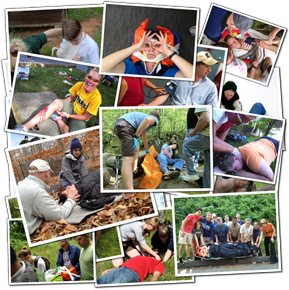
A tax-exempt nonprofit organization, Center for Wilderness Safety has been offering wilderness and remote medicine education and training programs for nearly two decades.
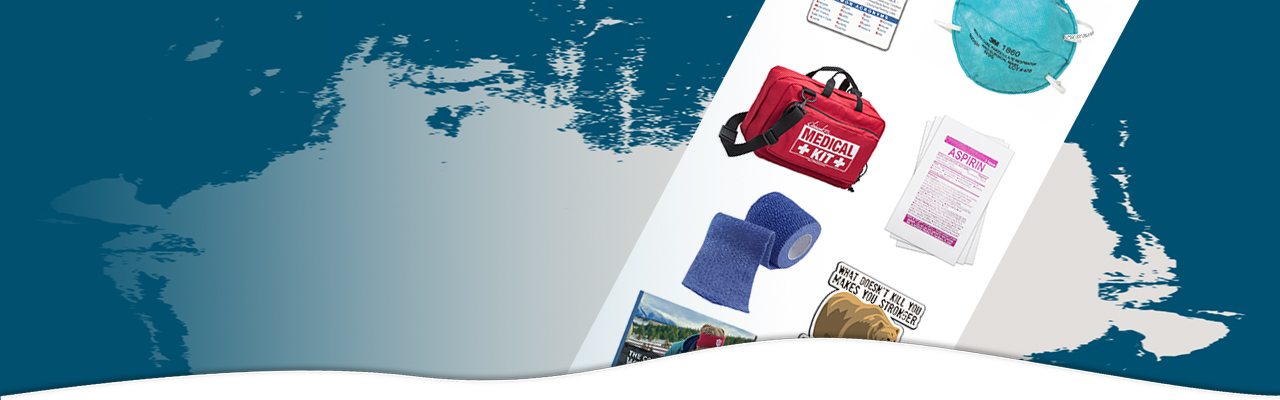
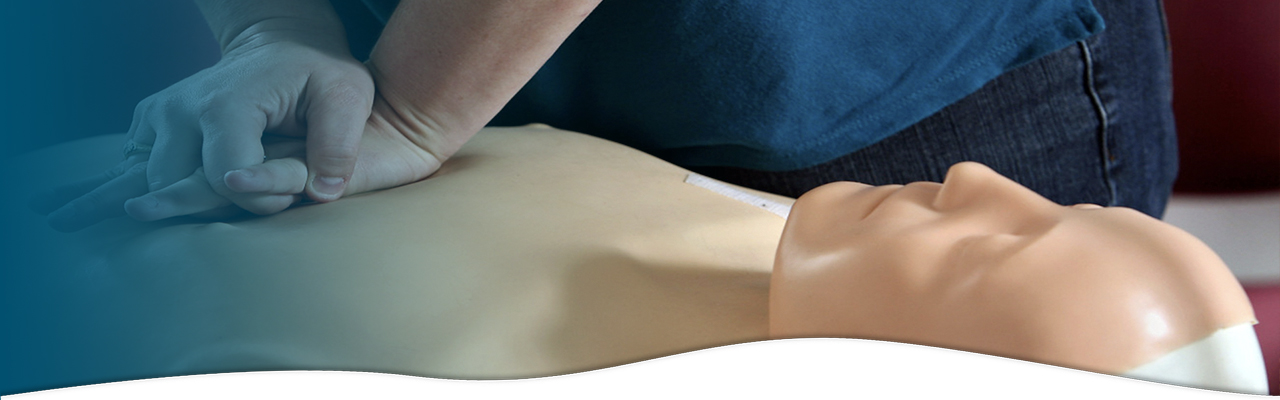
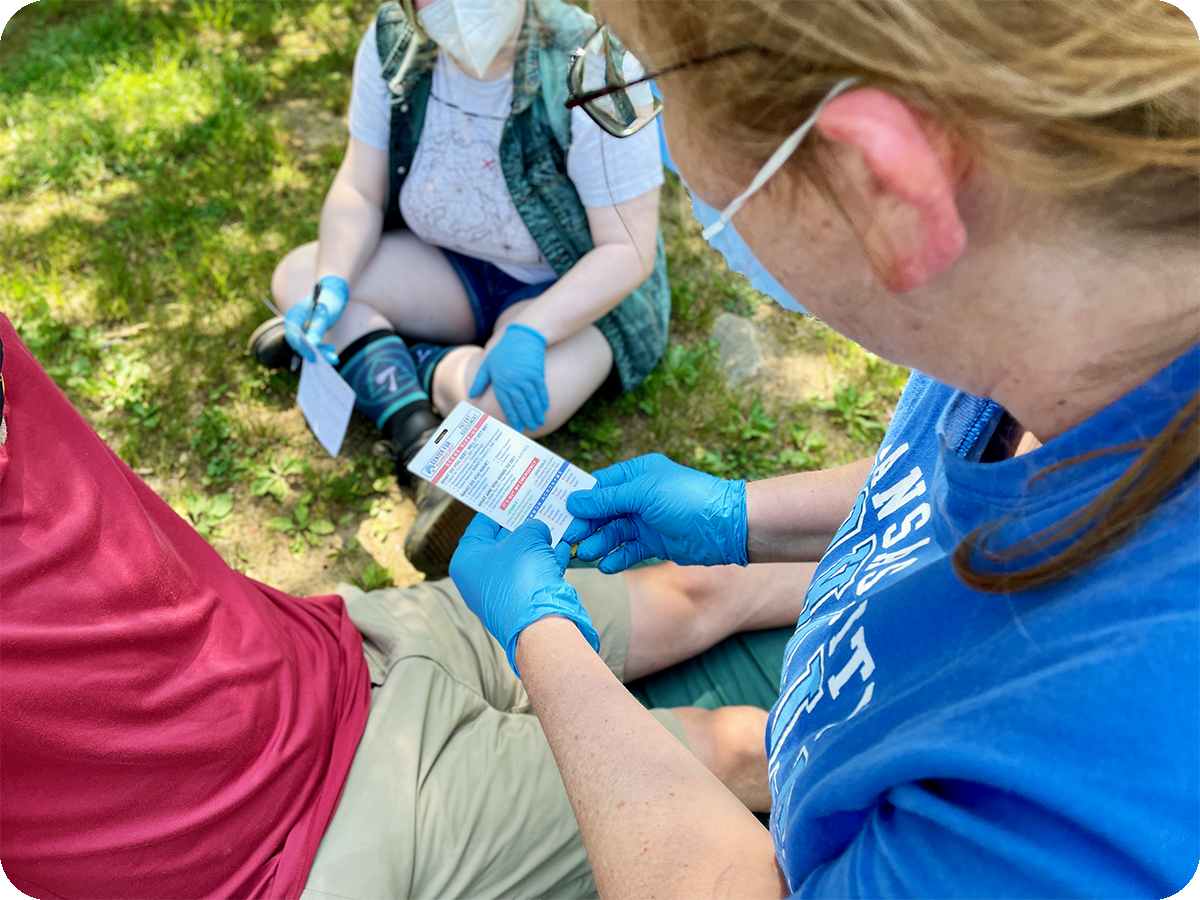
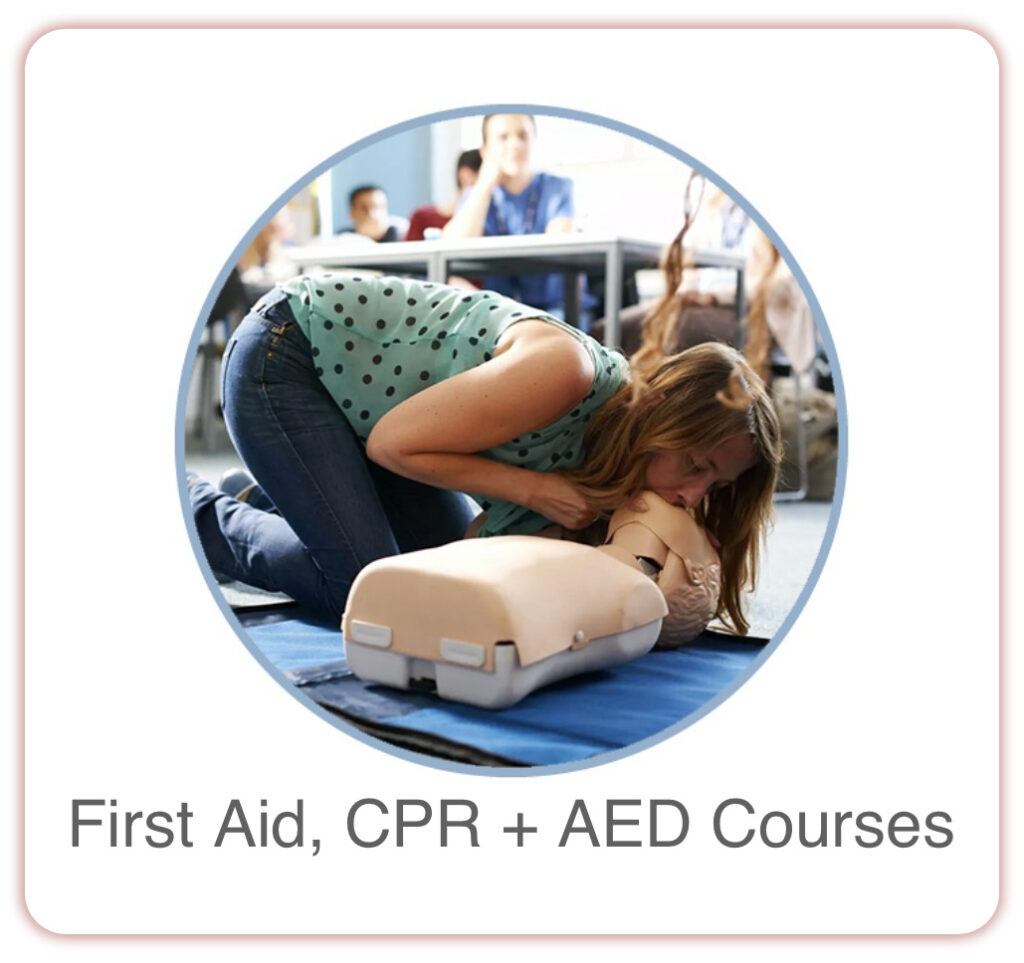
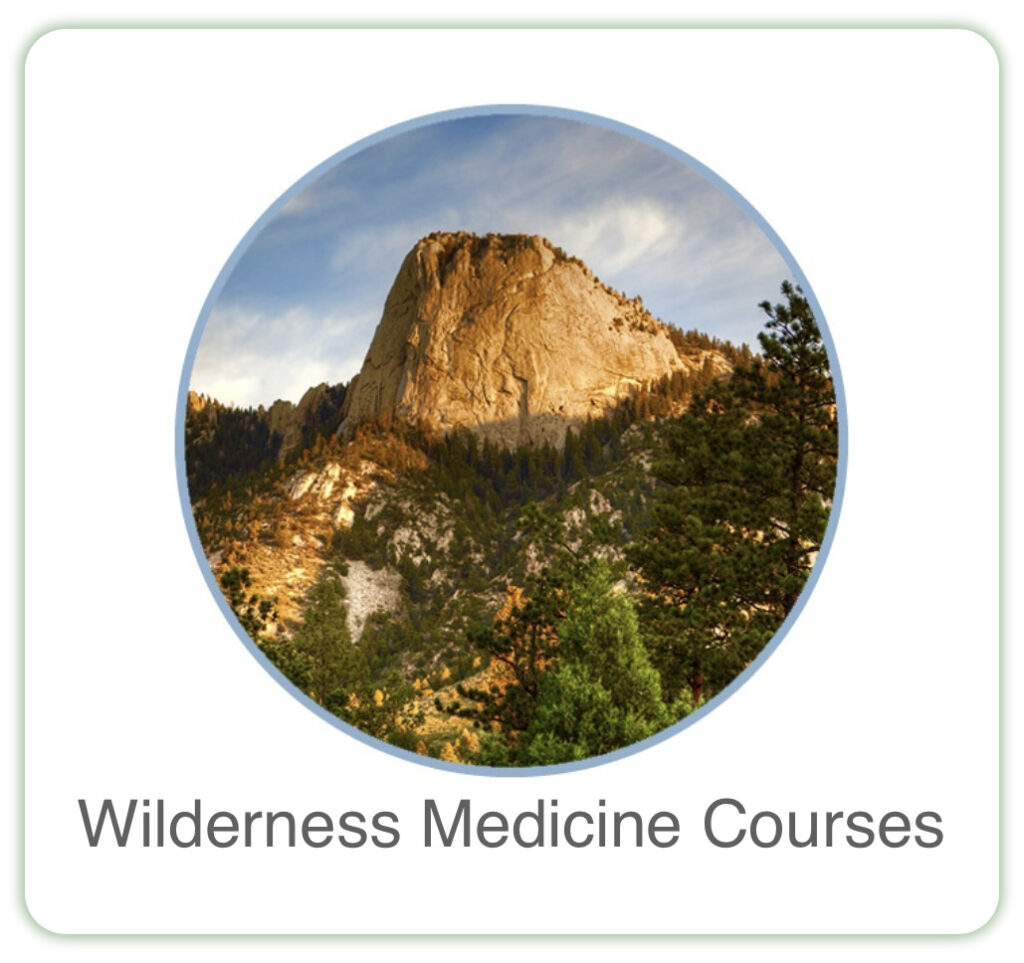
CWS specializes in teaching courses such as Wilderness First Aid, Wilderness First Responder and Wilderness EMT, along with various Community Health and Safety CPR/AED & First Aid training courses. We also offer first aid supplies and custom first aid kits through our First Aid Gear Shop – all at near wholesale prices!




Scouting Approved WFA Provider
DID YOU KNOW that both our in-person and hybrid/online Wilderness First Aid courses are accepted by the Boy Scouts of America for all BSA High Adventure programs, such as Philmont, Florida Sea Base, Northern Tier, Bechtel Summit (including the National Jamboree), Goshen Scout Reservation’s LenHok’sin, Maine High Adventure, and more!
What Others Are Saying

 This weekend, I had an opportunity to get certified in wilderness first aid through the Center for Wilderness Safety. I cannot speak highly enough of this course, these instructors, and the curriculum. I had high expectations, and what I experienced surpassed everything I imagined. I learned so much. I got resources. I practiced skills. I played outside.I’m hoping to go for the next level soon.
Center for Wilderness Safety
Center for Wilderness Safety Inc. is a 501(c)(3) nonprofit organization. Contributions to CWS are tax deductible, and we are committed to making the best use of every donation to our mission.
Our tax IRS identification
number: EIN 45-3613544.
First Aid Supplies + More
- • Individual Quantities
- • Near Wholesale Prices
- • Custom First Aid Kits

We proudly use: LiveChat for nonprofits.